
What Pediatric Therapy Actually Looks Like
A clear look at what pediatric therapy sessions truly involve, including play based approaches, parent involvement, and how therapists support development in natural ways.
Caitlin Briones, Founder & Behavioral Science Practitioner
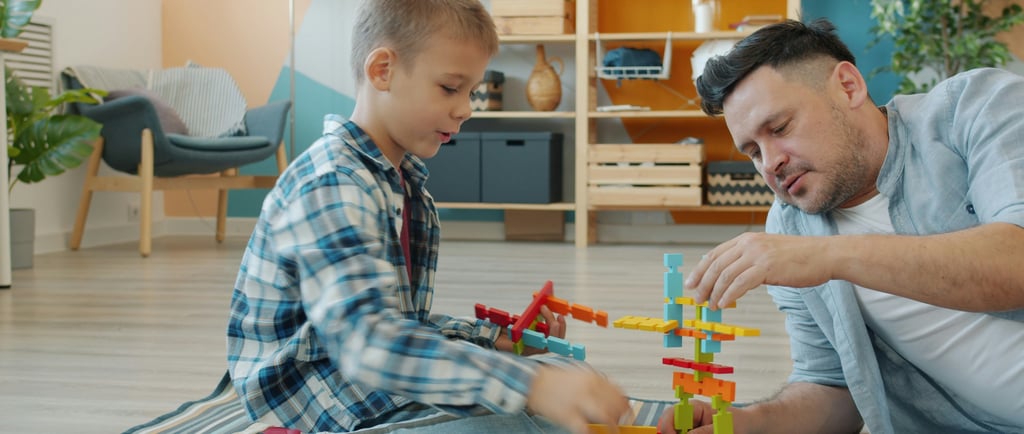
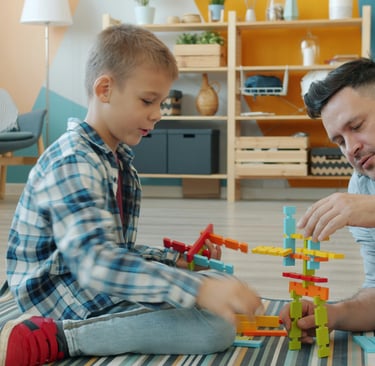
When many parents hear the word therapy, they picture a quiet room, a small table, and a child being asked to perform tasks on demand.
That image stops a lot of families from reaching out, especially parents of young children.
The reality of modern pediatric therapy looks very different.
Therapy Is Built Around How Children Learn
Young children do not learn best by sitting still or being tested. They learn through:
Play
Movement
Repetition
Real life interaction
Safe relationships
Effective pediatric therapy is designed around these principles. Sessions are active, engaging, and responsive to the child rather than rigid or forced.
What a Therapy Session May Look Like
Depending on your child’s needs, a therapy session might include:
Playing on the floor
Reading books together
Singing songs
Moving through obstacle courses
Practicing skills during everyday routines
Following the child’s interests to build engagement
Therapists intentionally embed skill building into activities that feel natural and enjoyable for the child.
To a parent watching, it may look like just play.
To a trained therapist, every moment has purpose.
Why Play Based Therapy Is So Effective
Play is how children explore, communicate, and practice new skills safely.
Through play, therapists can support:
Communication and language
Emotional regulation
Motor skills
Sensory processing
Attention and engagement
Independence
When children feel safe and interested, learning happens more easily and with less stress for everyone involved.
Therapy Is Individualized, Not One Size Fits All
There is no single therapy script.
Sessions are guided by:
Your child’s current skills
Your child’s temperament
Your family’s routines and priorities
Ongoing observation and progress
Goals are adjusted over time based on how your child responds, not based on a preset checklist.
Parents Are an Important Part of the Process
Pediatric therapy is not something that happens to a child. It happens with the family.
Therapists often:
Share strategies you can use at home
Model supportive interactions
Answer questions in real time
Help you understand why certain approaches work
The goal is not to replace parenting. It is to support it.
Therapy Should Feel Supportive, Not Stressful
If therapy feels overwhelming, intimidating, or disconnected from real life, something is not right.
Quality pediatric therapy should feel:
Relational
Respectful
Flexible
Encouraging
Grounded in everyday experiences
Children do not need to be pushed to grow.
They need the right support, at the right time, in a way that feels safe.
When Therapy Is a Good Fit
Therapy can be helpful when:
A skill is not emerging despite time and exposure
Your child becomes easily frustrated or withdrawn
Daily routines feel harder than they should
You want guidance tailored to your child rather than general advice
Therapy is not about fixing children.
It is about supporting development in a way that works for them.
Interested in starting pediatric therapy? Join our waitlist to learn more about services at Happy Valley Pediatrics.